Cash on delivery in Egypt — running it without eating your margin
2 min read
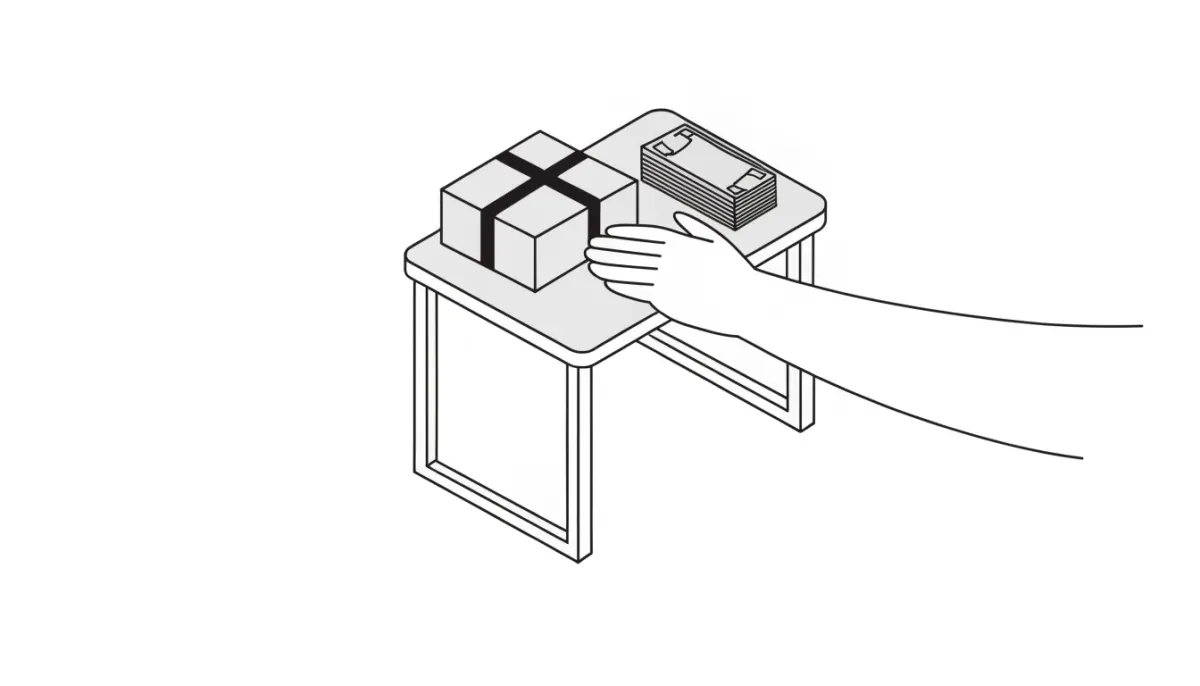
If you sell online in Egypt, most of your orders are probably paid in cash at the door. That is not a weakness in the market — it is the norm here, and shoppers feel safer seeing the product before paying for it.
The problem is not the method. It is that many merchants price their products having forgotten that cash on delivery carries a real cost.
The cost people forget
Every cash-on-delivery order carries three:
- A collection fee — the courier takes a percentage of the cash it collects, usually around 2%.
- The shipping itself — whether the order arrives or comes back.
- Money standing still — your cash sits with the courier for weeks before it reaches you.
The third is the dangerous one, because it never appears on an invoice. It appears when you need to buy stock and find your money is still in transit.
If you cannot say how much the courier is holding for you right now, you are managing inventory on instinct.
Bringing returns down
A return on a cash-on-delivery order costs you twice: shipping both ways, and a product back in stock two weeks later.
- Confirm the order before shipping. One WhatsApp message measurably reduces returns.
- Use real product photos. Most returns happen because what arrived is not what was pictured.
- Write sizes as numbers. "Medium" is not information.
- Get a working phone number. A shipment nobody answers comes back.
When to start offering online payment
Not to replace cash on delivery — to offer a choice. A customer who bought from you once and had a good experience may pay online next time, especially with a clear reason such as faster shipping.
Start by offering both, and look at the numbers after a month.
In short
Cash on delivery is not a flaw in the Egyptian market — it is the market. What separates merchants is knowing exactly what it costs, keeping returns down, and tracking money while it is still on its way to you.
If you are weighing which methods to offer alongside it, the payment methods guide covers what each one is for and who ends up holding your money. And a return on a cash order costs you twice, so it is worth writing the policy before you need it.