Online payment methods in Egypt — what to accept, in what order
4 min read
Almost every guide about selling online in Egypt starts with cash on delivery, because that is where most of the orders are. This one is about the rest of the checkout: what to accept alongside cash, who ends up holding your money, and the order worth adding each method in.
The short version: you do not need every method on day one, and adding them in the wrong order costs you either fees or sales.
The methods that actually matter here
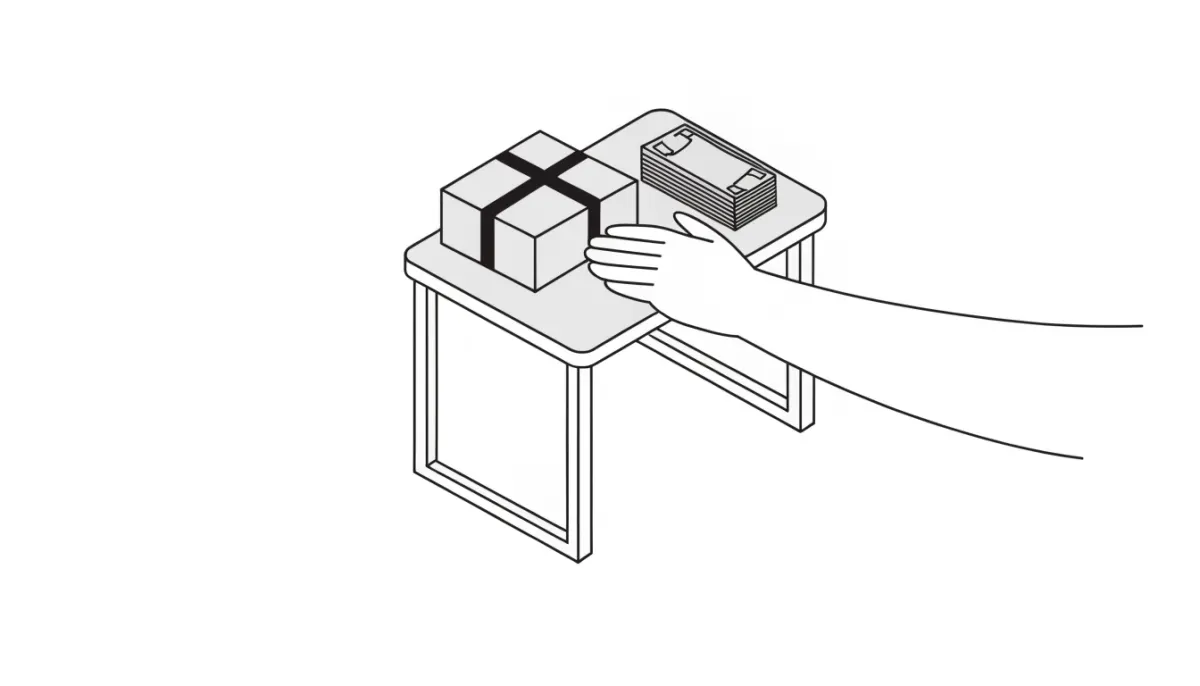
- Cash on delivery. The default. The customer pays the courier at the door and the courier pays you, minus a collection fee — usually around 2% of the cash collected. Covered in detail in the cash on delivery guide.
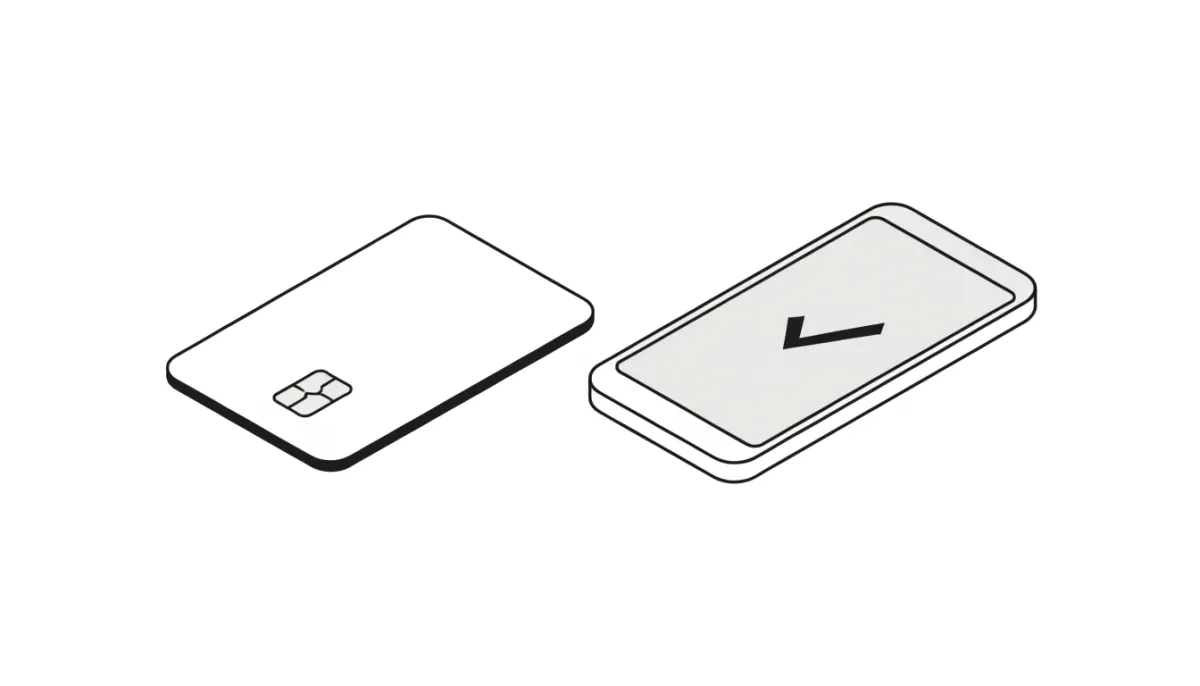
- Cards. Visa and Mastercard, taken through a payment gateway. The single biggest thing that makes card payments work is that the form stays inside your store, in your own colours — a customer bounced to a page that looks like someone else's is a customer who reconsiders.
- Mobile wallets. Vodafone Cash, Orange Cash, Etisalat Cash and WE Pay. The customer confirms in the wallet and comes back to the store. Widely used by people who never got a card.
- Fawry. The customer gets a reference code and an expiry, and pays at any outlet. This is how you sell to someone with neither a card nor a wallet balance, and it is a genuinely large group.
- Bank transfer. The manual one. You show the account details, the customer uploads the receipt, and you confirm it yourself. It converts the large orders people hesitate to put on a card — though it is not something Hekana's checkout offers today.
The question most merchants skip: who holds the money
Before comparing fees, ask whose account the money lands in.
There are two ways a store takes online payment. Either you open your own gateway account — paperwork, approval and keys to manage, with the money settling straight into an account in your name — or you take payments through the platform's account, with nothing to set up, and the money is credited to a balance on the platform that you withdraw. The second is faster to start; the first keeps the money in your own name from the first second. Know which one you are signing up for.
Hekana uses the second. Cards, wallets and Fawry run through Hekana's own Paymob account, so there is no gateway account to open. When a payment is confirmed, the order total minus a processing fee is credited to your Hekana balance straight away, and you withdraw it from your dashboard. Online payments come with the paid plans; cash on delivery works on every plan, including the free one.
That also answers the fee question: there is a processing fee on each online payment, and no commission on your sales on any plan.
The order worth adding them in
- Cash on delivery, day one. No account, no approval, no setup. It is how you find out whether people want the product at all.
- Cards and wallets, once the orders justify a paid plan. On Hekana they come with the plan: switch on online payments and pick which methods to offer.
- Fawry, alongside them. It is a switch on the same screen, and it reaches customers cards and wallets do not.
Each method has its own switch, and the checkout only offers what you turned on. There is no reason to enable something you are not ready to reconcile.
What happens when a payment does not go through
This is the part that decides whether online payment is worth the trouble, and it is worth asking any platform about before you commit:
- A declined card should show the real reason, not a generic failure. "Insufficient funds" and "card not enabled for online purchases" lead to two completely different customer messages.
- An abandoned payment should leave the order unpaid and release the reserved stock when the session expires — otherwise your inventory slowly fills with shopping carts nobody finished.
- A delayed confirmation should be chased before the order is cancelled. Gateway callbacks are late often enough that cancelling on silence will eventually cancel a paid order.
- A duplicated confirmation should flip the order to paid exactly once. Gateways retry; an order that gets marked paid twice is a reconciliation problem you will find weeks later.
Hekana does all four, which is less a boast than a description of the minimum. Ask about them anyway, wherever you end up.
In short
Cash on delivery is the floor, not the ceiling. Cards, wallets and Fawry are worth adding once the orders justify it — and before you do, it is worth knowing whose account the money lands in and when it reaches you.
More detail on how this is set up: payment methods on Hekana.